
ATV Performance Parts: When More Power Is Not the Main Question
Performance parts are often discussed in simple terms: more power, more speed, stronger acceleration. For ATVs and UTVs, the reality is more practical. The best performance upgrade is not always the one that gives the biggest number. It is the one that helps the machine work better in the conditions where it is actually used.
This is especially true when tyres, terrain and load change.
Many ATV owners fit larger or more aggressive tyres. This can improve ground clearance and traction in mud, snow or rough terrain, but it also changes how the machine behaves. Larger tyres are heavier and effectively change the gearing. The engine may have to work harder to turn them, especially from low speed. Acceleration can feel weaker, belt temperatures can rise and the machine may no longer feel as responsive as before.
This is where clutch setup becomes important. A clutch kit is not simply a "power part" in the usual sense. It changes how the power is delivered to the wheels. The goal may be better low-speed response, improved belt grip, more suitable RPM range or better behaviour with larger tyres and heavier loads.
For riders who use their ATV in mud, deep snow, technical trails or working conditions, this can matter more than top speed. Control at low speed is often more useful than maximum speed on a straight road. A machine that responds predictably when pulling, climbing or moving through difficult ground is easier to use and easier on components.
ECU upgrades are another area where expectations should be realistic. A Power ECU or speed limiter removal ECU can change how the engine behaves, but it should be considered as part of the whole setup. Tyres, clutching, exhaust, intake, terrain and riding style all affect the result. More aggressive engine response is not automatically better for every user.
For utility users, smoothness and control may be more important than sharp throttle response. For sportier riding, quicker response may be desirable. For mud riding, maintaining the right RPM under load may be the key issue. The correct setup depends on the use case.
Reliability should also stay in the discussion. Performance upgrades place more demand on the machine when used hard. Belt condition, cooling, maintenance and correct installation all matter. A poorly matched setup can create heat, wear and frustration. A well-matched setup makes the machine feel more natural.
It is also worth avoiding the idea that every ATV needs performance parts. Upgrades make sense when there is a clear reason: larger tyres, changed riding conditions, frequent heavy loads, mud use, racing, or a specific weakness in how the machine delivers power.
The better question is not "how do I get more power?" It is "what do I need the machine to do better?"
For some users, the answer is stronger low-speed pull. For others, it is better throttle response, improved behaviour with larger tyres or more suitable setup for demanding terrain. Once the real need is clear, performance parts become much easier to choose sensibly.
A good performance setup should make the ATV feel more capable, not simply louder or more aggressive. The difference is important.
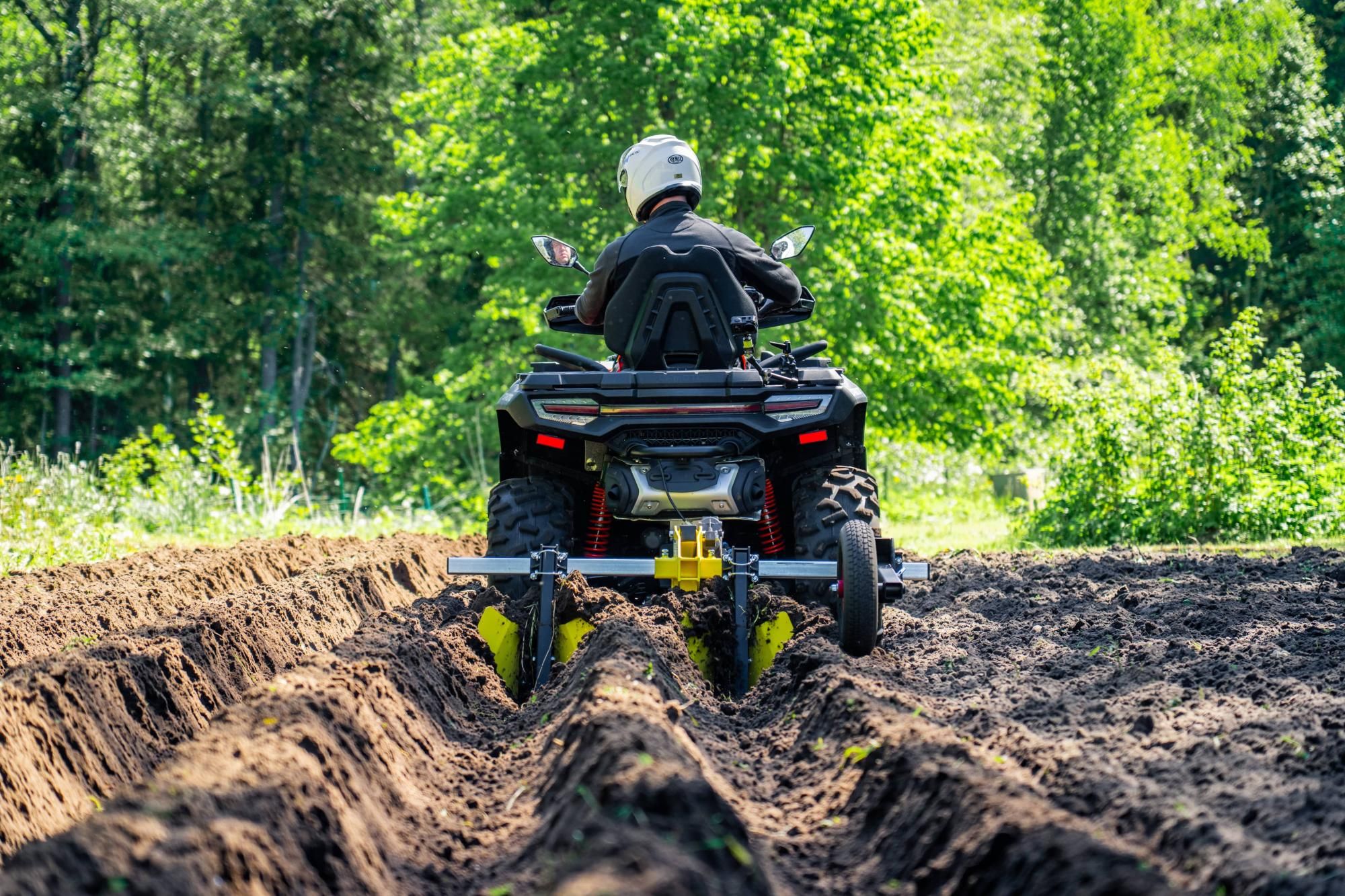
Why Small Farms Still Need Small Machines
Modern agriculture often brings to mind large tractors, wide implements and fields measured in hundreds of hectares. That equipment has its place. But not every farm, stable, rural property or landowner works on that scale.
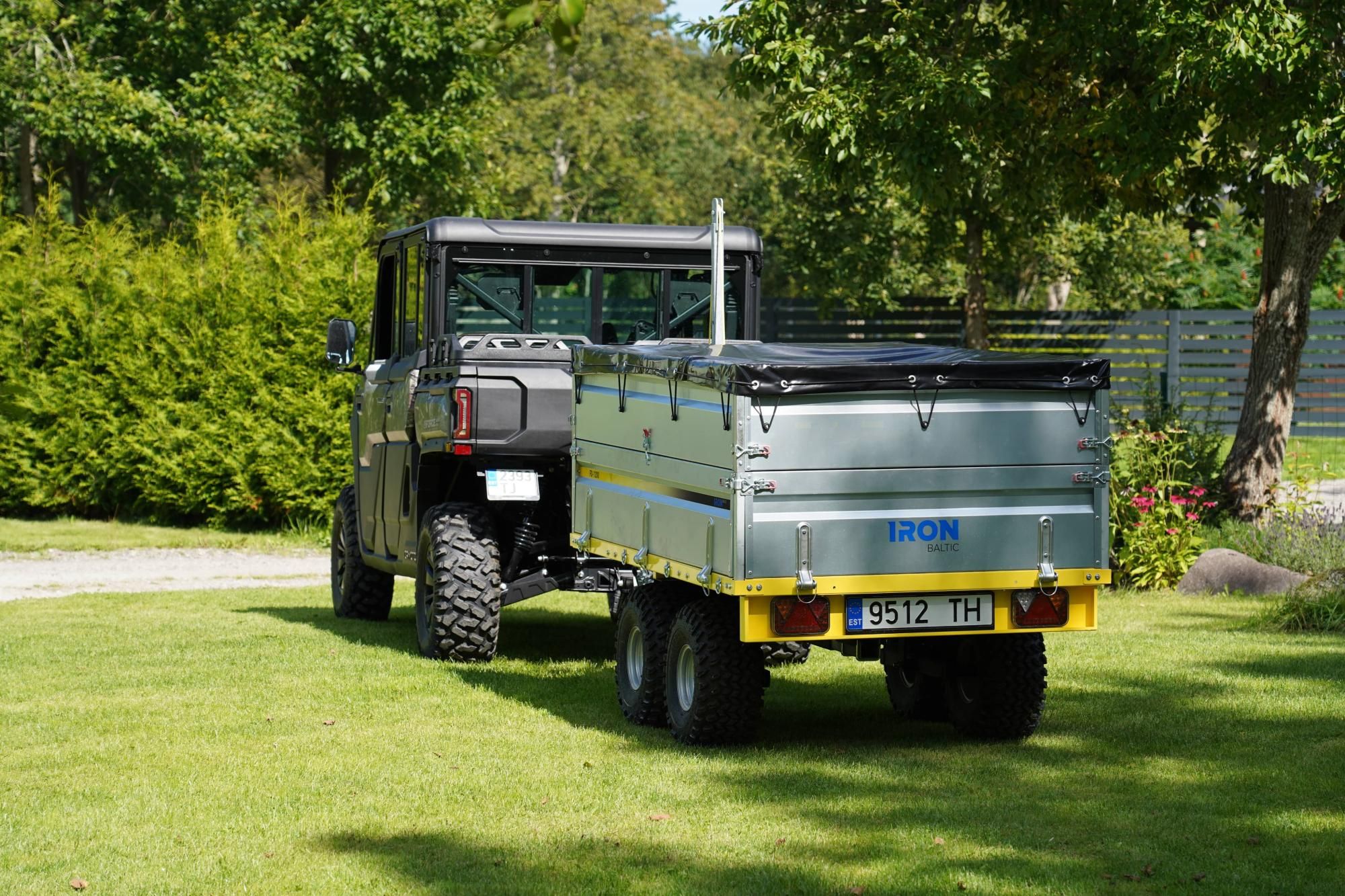
ATV Trailers: What Load Capacity Does Not Tell You
When comparing ATV and UTV trailers, load capacity is usually the first number people look at. It is easy to understand and easy to compare. A 500 kg trailer sounds smaller than a 1200 kg trailer, so the choice may seem simple.
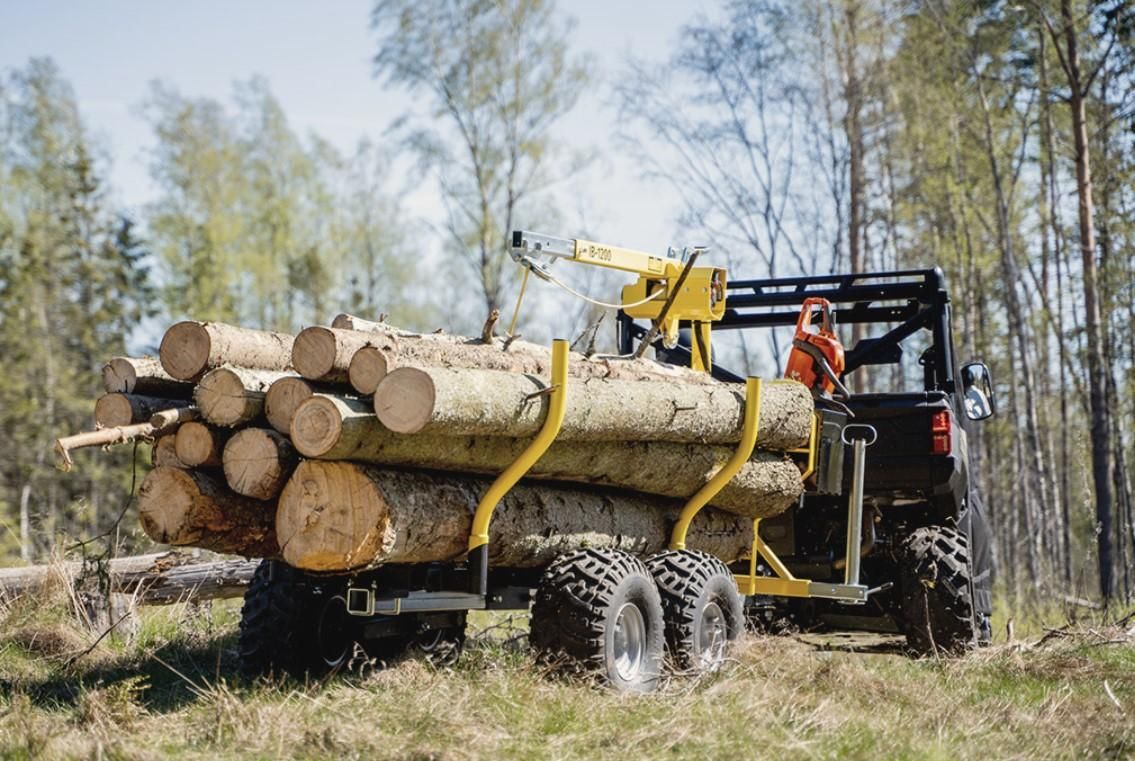
Working in the Forest With an ATV: What to Consider Before Adding Equipment
An ATV can be a very useful forestry machine, especially on private land, small woodlots and narrow forest tracks where larger machinery is not practical. It can move tools, pull a timber trailer, transport firewood, help clear paths and support maintenance work in places where access is limited.