
ATV Trailers: What Load Capacity Does Not Tell You
When comparing ATV and UTV trailers, load capacity is usually the first number people look at. It is easy to understand and easy to compare. A 500 kg trailer sounds smaller than a 1200 kg trailer, so the choice may seem simple.
In real use, it is not that simple.
Load capacity matters, but it does not describe how the trailer behaves on soft ground, how stable it is on uneven tracks, how easy it is to load, whether it tips properly, how it follows the ATV or whether it suits the work being done.
The first question should be what the trailer will actually carry. Firewood, soil, gravel, leaves, fencing material, tools, hay and timber all behave differently. Some loads are heavy and compact. Others are light but bulky. A trailer that is ideal for firewood may not be the best for loose leaves or long branches.
Terrain is the second important point. On hard, flat ground, almost any trailer feels easier to use. Off-road, the story changes. Soft soil, forest tracks, stones, slopes and wet grass all place different demands on the trailer. Wide tyres, ground clearance, axle layout and balance affect whether the trailer moves smoothly or starts to dig in.
A trailer with a high load capacity can still be unpleasant to use if it is badly balanced or too narrow for the terrain. Stability matters, especially when carrying heavy loads over uneven ground. The centre of gravity, tyre width and axle position all influence how safe and predictable the trailer feels behind the ATV.
Tipping is another detail that becomes important after the first few loads. A tilting cargo box can save a lot of manual work when moving soil, gravel, leaves or firewood. For frequent use, ease of operation is not a small comfort feature. It directly affects how much work gets done.
The towing vehicle also sets limits. An ATV or UTV has its own towing capacity, braking limits, weight and traction. A large trailer is only useful if the machine can control it safely. On slopes or wet ground, stopping and steering can become more important than pulling. The trailer should match the vehicle, not only the work.
It is also worth thinking about access. One reason ATV trailers are useful is that they can go where larger vehicles cannot. If the trailer becomes too large, too heavy or too difficult to manoeuvre, that advantage is reduced.
The best ATV trailer is not always the largest one. It is the one that fits the most common jobs, follows the machine well, protects the ground where needed and saves manual labour without making the work more complicated.
Load capacity is a useful specification. It should just not be the only one.
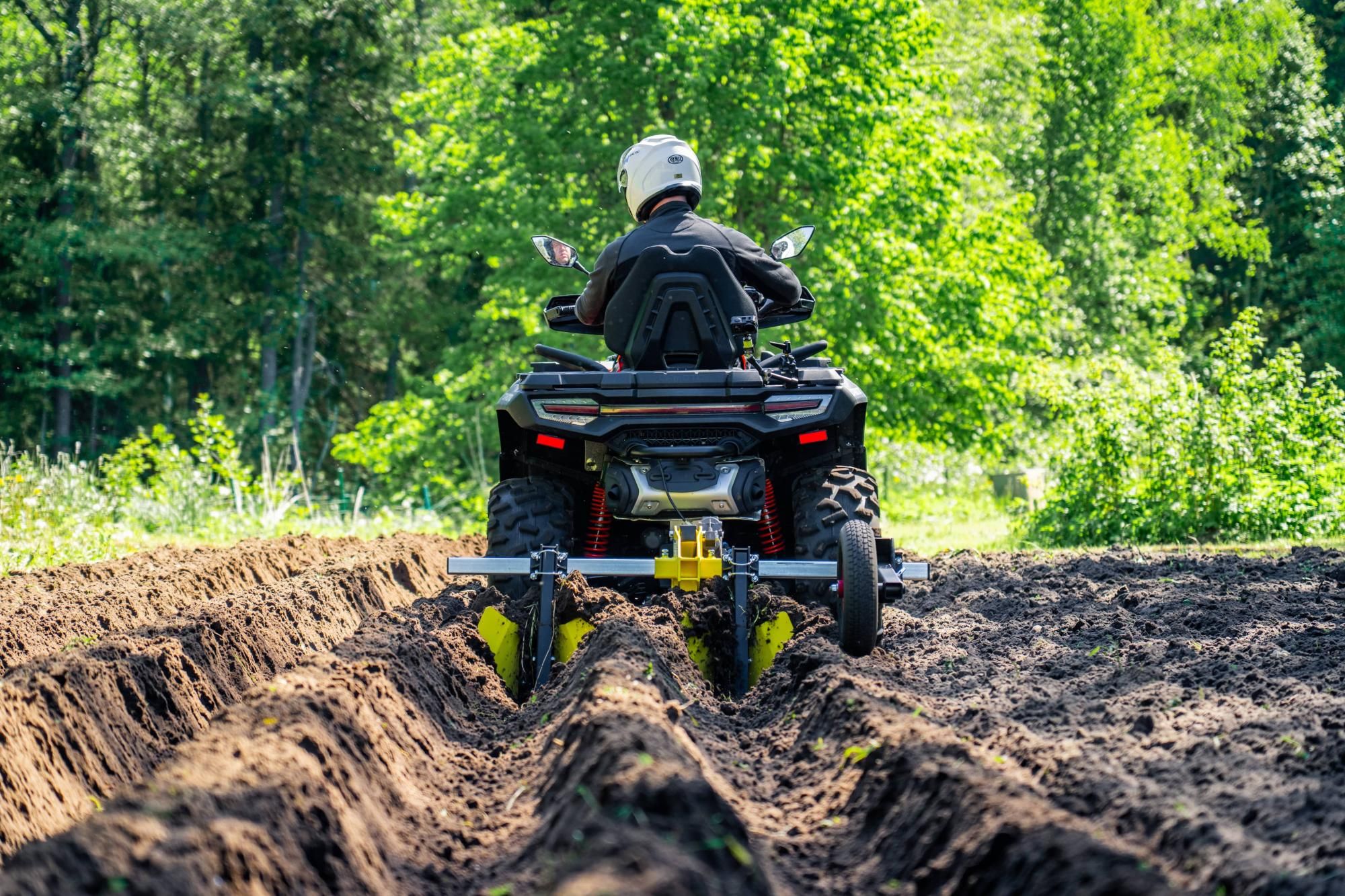
Why Small Farms Still Need Small Machines
Modern agriculture often brings to mind large tractors, wide implements and fields measured in hundreds of hectares. That equipment has its place. But not every farm, stable, rural property or landowner works on that scale.
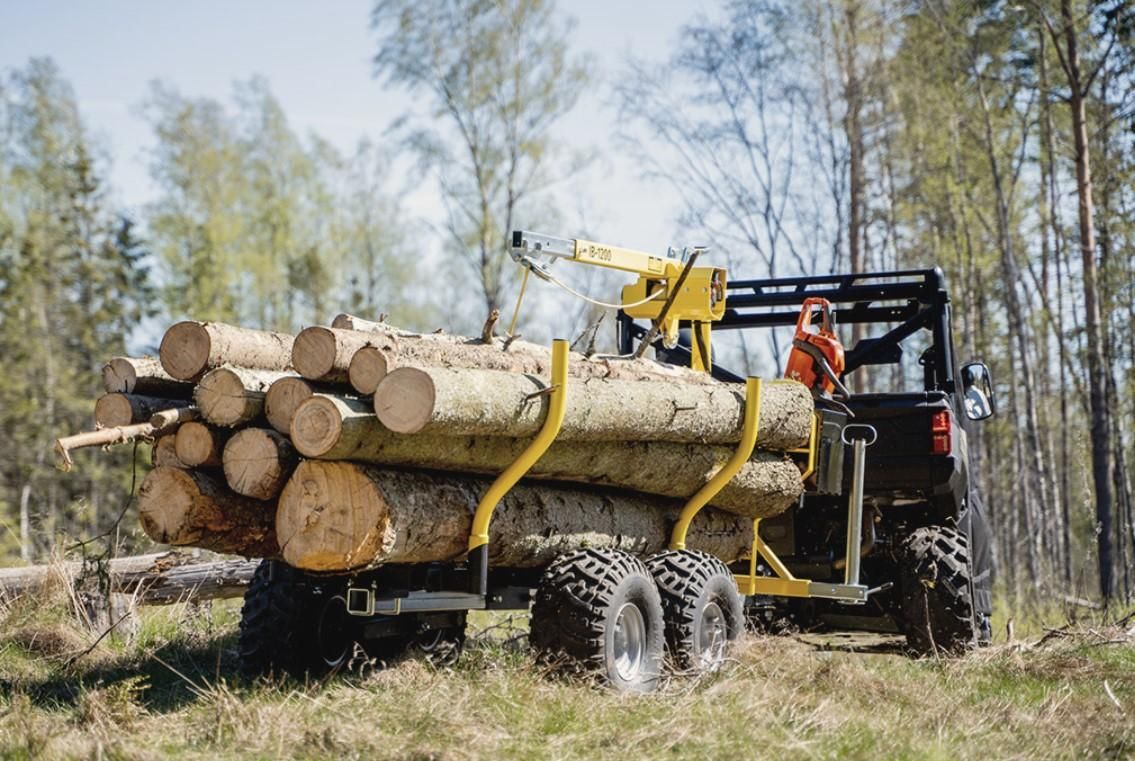
Working in the Forest With an ATV: What to Consider Before Adding Equipment
An ATV can be a very useful forestry machine, especially on private land, small woodlots and narrow forest tracks where larger machinery is not practical. It can move tools, pull a timber trailer, transport firewood, help clear paths and support maintenance work in places where access is limited.
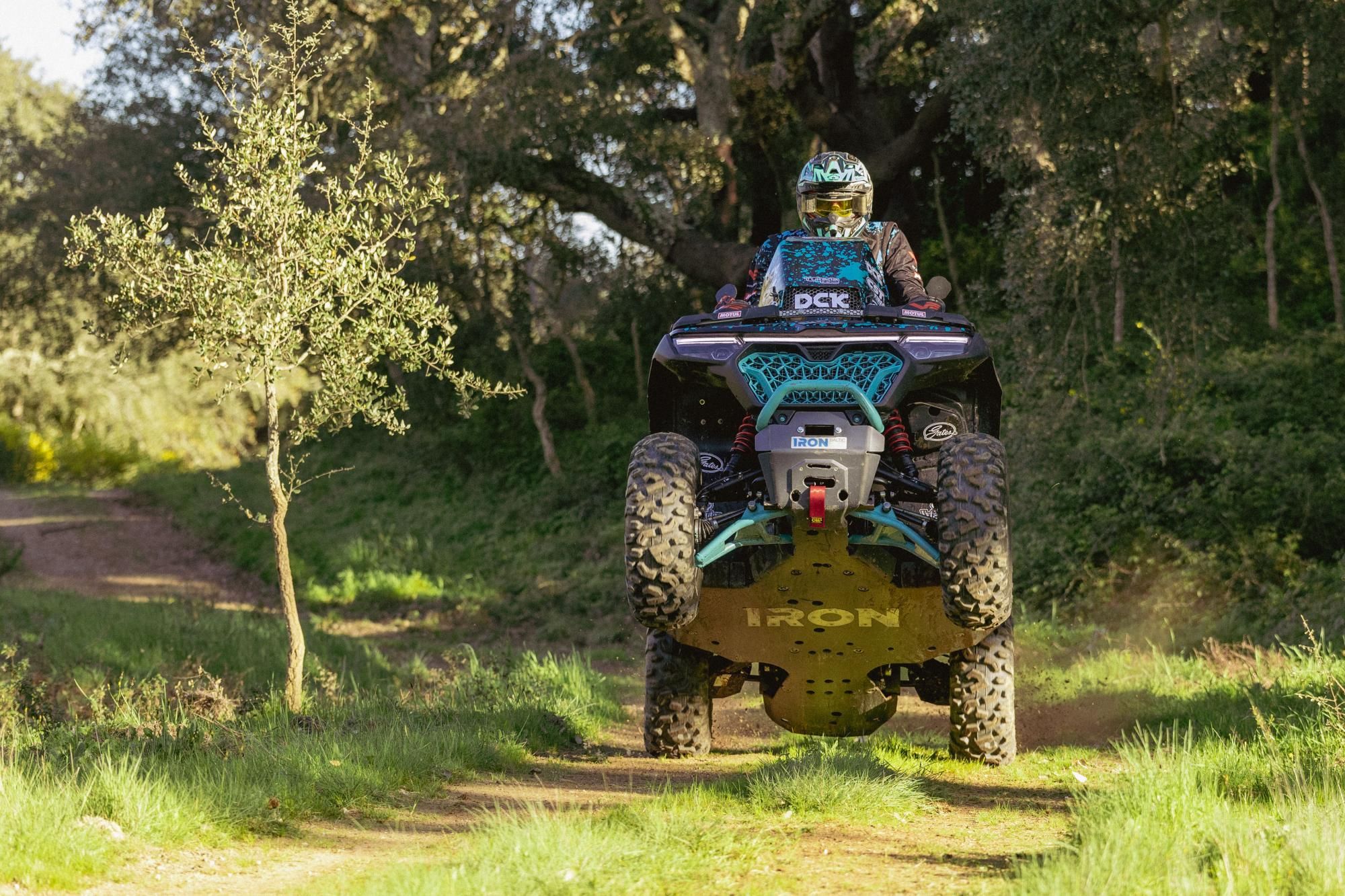
How to Choose the Right Skid Plate Material for Your ATV
For many ATV owners, skid plates are one of the first serious accessories worth considering. Not because they make the machine look different, but because they protect the parts of the vehicle that are often the most exposed and expensive to repair.