
How to Choose the Right Skid Plate Material for Your ATV
For many ATV owners, skid plates are one of the first serious accessories worth considering. Not because they make the machine look different, but because they protect the parts of the vehicle that are often the most exposed and expensive to repair.
The underside of an ATV takes more abuse than many riders realise. Stones, tree stumps, frozen tracks, deep ruts, roots and uneven ground all make contact with the bottom of the machine before the rider even thinks about it. Factory protection can be suitable for light use, but it is often limited. For work use, forestry, rocky terrain or regular off-road riding, a stronger full-bottom protection system can make a real difference.
One of the main questions is material. Most serious ATV skid plate systems are made either from aluminium or high-density plastic. Both can be good choices, but they behave differently.
Aluminium skid plates are valued for their strength, rigidity and impact resistance. They are especially suitable when the ATV is used in rocky terrain, forestry, farm work or other conditions where sharp impacts are likely. A well-made aluminium skid plate spreads the force of an impact and protects the frame, engine, suspension parts and underbody components. Aluminium is also a familiar material for users who want a solid, mechanical feel and long-term durability.
Plastic skid plates, usually made from high-density polyethylene, have a different advantage. They slide well over obstacles and can absorb impacts without transferring as much noise or vibration. In mud, snow, wet grass and forest terrain, this lower-friction surface can help the ATV move more smoothly over the ground. Plastic also does not corrode, which is useful in winter conditions where salt, moisture and changing temperatures are part of daily use.
The right choice depends less on which material is "better" and more on how the ATV is used.
For a machine that spends most of its time on rocky tracks, in demanding forestry work or on rough ground where hard impacts are common, aluminium is often the more natural choice. For riders who use their ATV in snow, mud, wet terrain or mixed conditions where sliding over obstacles is more important, plastic can be very practical.
Fitment is just as important as material. A skid plate should follow the shape of the ATV properly, protect the central underside and important exposed components, and still allow normal maintenance. Openings for draining, washing and oil changes are small details, but they matter after the first muddy ride or service job.
It is also worth thinking about future accessories. If the ATV may later be fitted with a plow system, hitch mount, adapter or other working equipment, the skid plate should not make that difficult. A proper protection system should be part of the machine, not something that gets in the way of using it.
Skid plates are not only for extreme riding. They are useful for people who use ATVs as tools: property owners, farmers, forestry workers, hunters, contractors and anyone who rides in real terrain rather than only on prepared paths.
A good skid plate is one of those accessories that usually does its job quietly. Most of the time, you only notice it when you hear the impact underneath and realise that the machine itself did not take the hit.
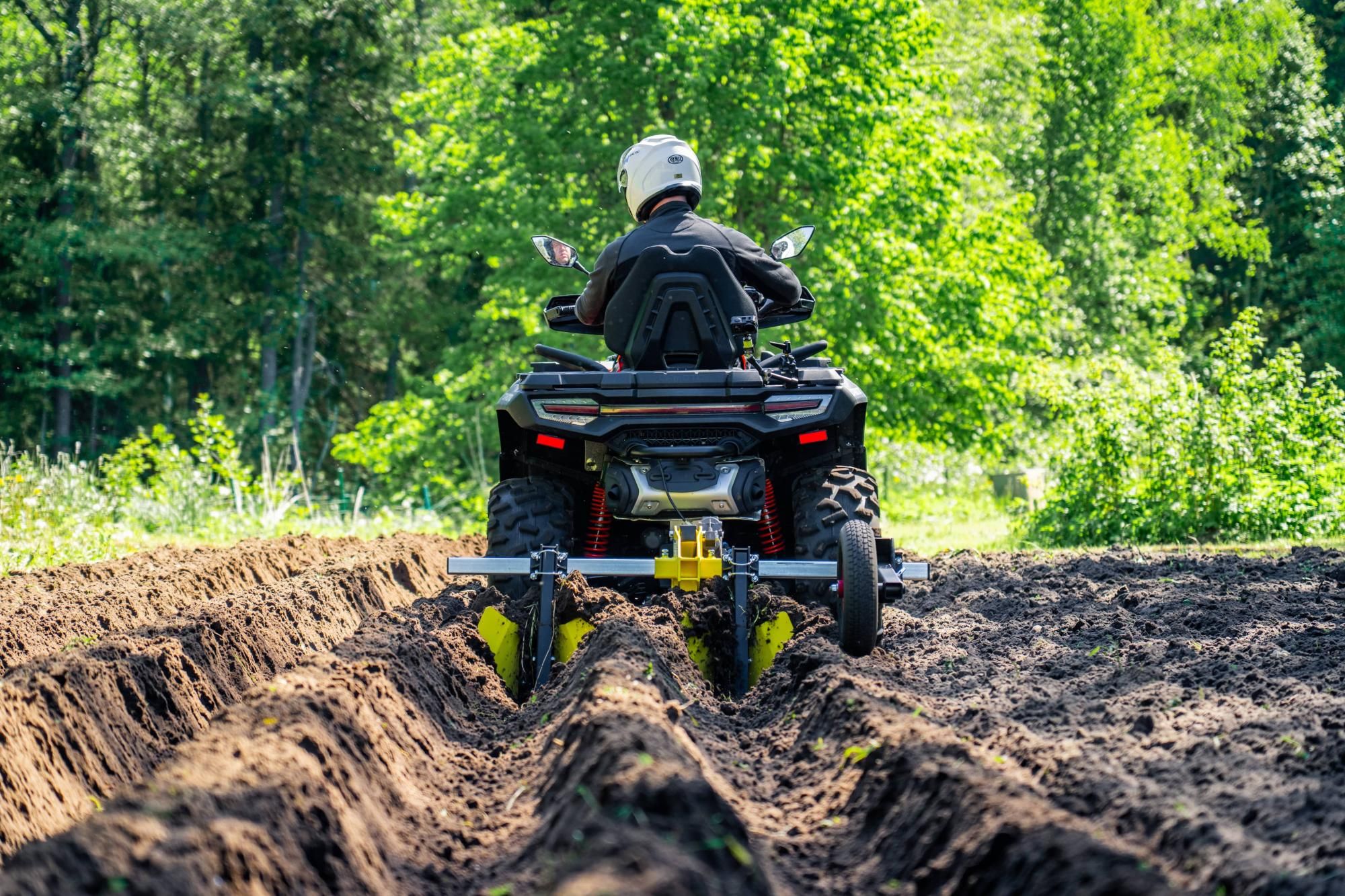
Why Small Farms Still Need Small Machines
Modern agriculture often brings to mind large tractors, wide implements and fields measured in hundreds of hectares. That equipment has its place. But not every farm, stable, rural property or landowner works on that scale.
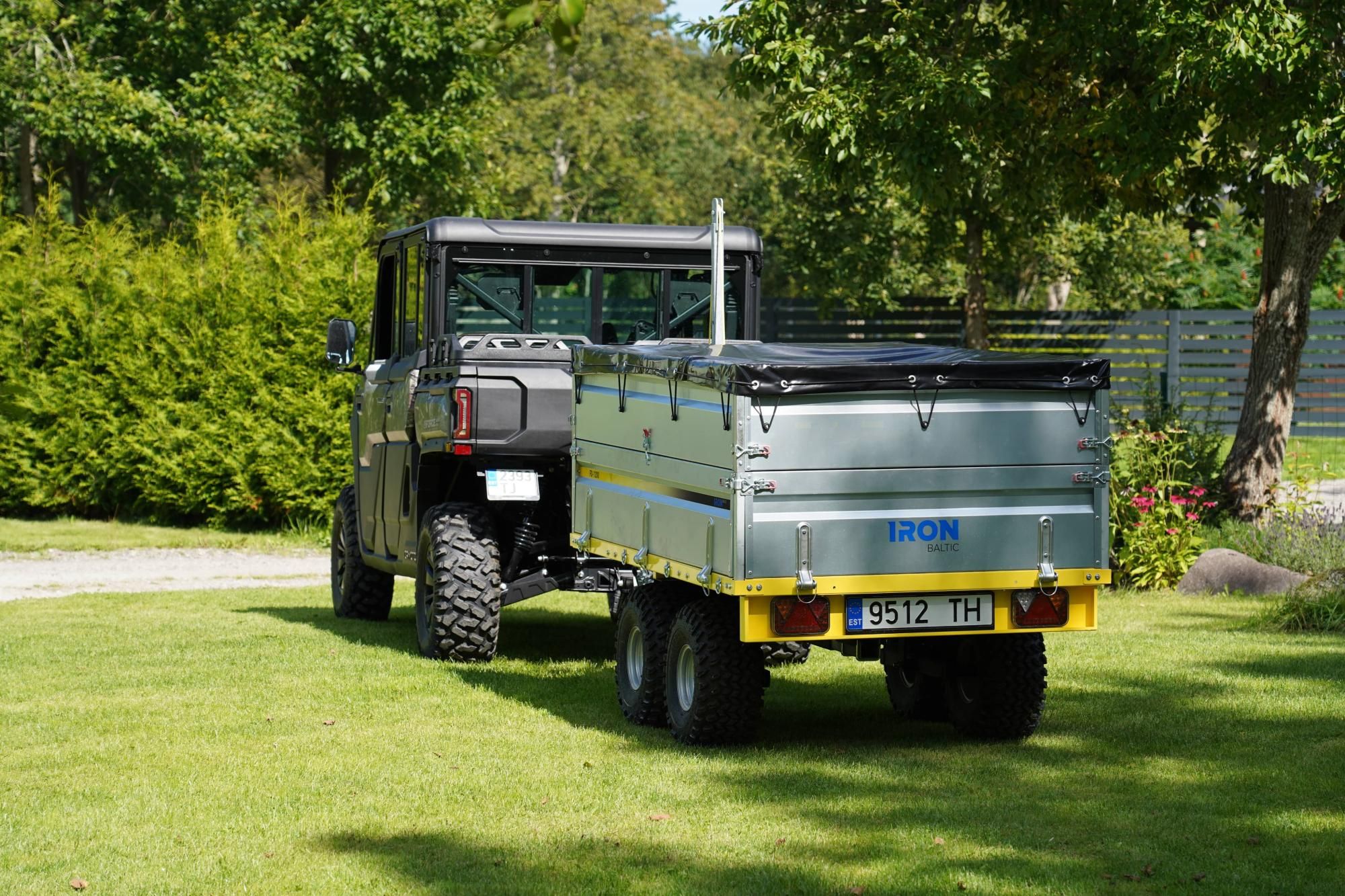
ATV Trailers: What Load Capacity Does Not Tell You
When comparing ATV and UTV trailers, load capacity is usually the first number people look at. It is easy to understand and easy to compare. A 500 kg trailer sounds smaller than a 1200 kg trailer, so the choice may seem simple.
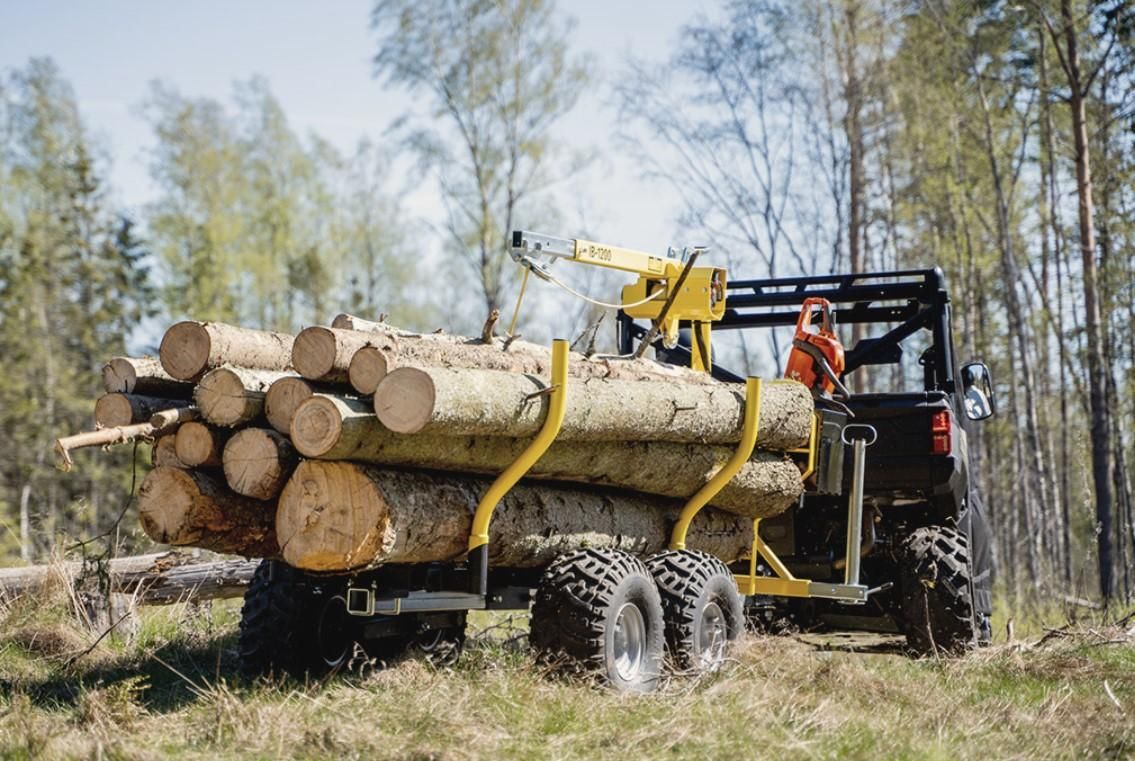
Working in the Forest With an ATV: What to Consider Before Adding Equipment
An ATV can be a very useful forestry machine, especially on private land, small woodlots and narrow forest tracks where larger machinery is not practical. It can move tools, pull a timber trailer, transport firewood, help clear paths and support maintenance work in places where access is limited.